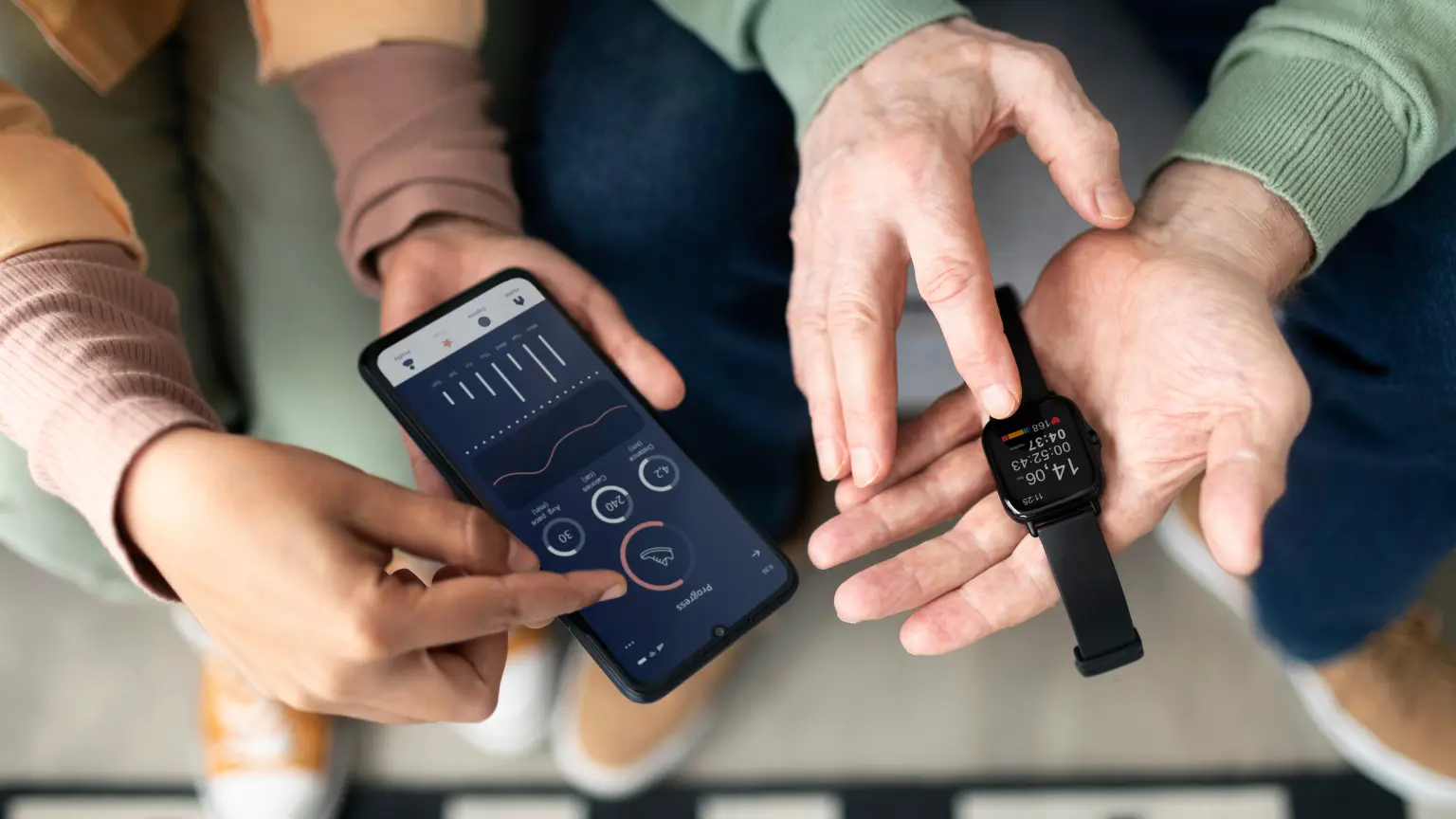
Wearable technology has moved far beyond fitness brands and step counters. Today, wearables are becoming a core part of how people track their health, manage daily tasks, stay connected, and interact with digital services without picking up their phones. From smartwatches and medical sensors to AR glasses and industrial wearables, the demand for wearable apps is growing faster every year.
This shift has created new opportunities for businesses, healthcare providers, and tech companies to create more personalized and real-time digital experiences. As wearable devices become smarter, smaller, and more accurate, wearable app development is turning into a major innovation space. In this blog, we’ll explore the latest trends in wearable app development and the opportunities businesses can tap into.
Why is wearable technology growing fast?
The rapid rise of wearables is driven by a few key factors:
- Increasing focus on health and wellness: People want to monitor their activity, heart rate, sleep quality, and overall wellness in real time.
- More powerful sensors: Devices now track blood oxygen levels, ECG, stress indicators, skin temperature, fall detection, and more.
- Greater convenience: Wearables provide quick access to information without needing a phone.
- Integration with smartphones and ecosystems: Apple, Google. Samsung and Fitbit have created platforms that make wearable apps more useful and interconnected.
Top Wearable App Development Trends
This is one of the 10 emerging technologies transforming the software development landscape. Several trends are shaping the future of this tech as well. These trends are:
1. Tracking Health and Fitness Gets Smart
Health monitoring remains the dominant application of wearables. However, technology has long since moved beyond step and calorie tracking.
Using this feature, you can access:
- ECG and Heart Rhythm Analysis
- Monitoring of Blood Oxygen Saturation
- Stress and Anxiety Monitoring
- Women’s Health and Cycle Tracking
- AI Workout Recommendations
- Fall Detection and Emergency Alert Services
These capabilities are made possible through sophisticated sensors and machine learning algorithms that are integrated into the device. This trend has opened a wide range of opportunities for healthcare apps, wellness, and tele-monitored patient management.
2. Integration With AI and Predictive Analytics
AI is transforming every device, and wearables are no exception. Wearable apps are increasingly using AI technology to provide insights from data. Prediction analytics also enables users to understand patterns and take early actions. For example:
- Smartwatches predicting stress spikes
- Fitness apps recommending rest days
- Glucose monitoring predicts fluctuations
- Wearable-based health systems detecting early symptoms
For developers, integrating AI technology has now become a necessity in order to remain distinct in the market for wearable apps.
3. Beyond Fitness – Enterprise Wearables
Wearable technology has started finding application in the corporate world, especially in sectors such as logistics, manufacturing, construction, and field services. Some of the popular uses of enterprise wearables are:
- Productivity tracking
- Hands-free communication
- Safety alerts and hazard identification
- On-site Instructions Using AR Glasses
- Workforce wellness tracking
These use cases provide opportunities for businesses to increase efficiency and mitigate risks in a working environment with customized wearable apps.
4. Wearable Payments and Contactless Services
Smartwatches and smart bands are now enabled with secure transactions using NFC. Smart payments with wearable technology are being promoted by manufacturers like Apple, Samsung, and Google. This trend provides opportunities in:
- Retail apps
- Banking and finance
- Public Transport and Ticketing
- Hospitality and travel
Payment apps in wearable technology will continue to develop as consumers seek convenient experiences.
5. IoT-Powered Wearable Development
Wearables are slowly being integrated with a larger ecosystem. Smartwatches, fitness trackers, and smart rings are now being synchronized with home appliances, medical devices, and other smart devices. Some main examples are:
- Smart wearables that can control domestic lighting
- Smart rings that can unlock doors
- Health wearables connecting with hospital systems
- Safety wearables that are linked to emergency networks
This is one of the best app ideas for startups and enterprises. That’s why application developers are now developing apps that are not for a device but for a group of connected devices.
6. Growing Demand for Personalized User Experience
Since wearable displays are small, their user experience needs to be intuitive, easy, and efficient. Meanwhile, users are also expecting a personalized application experience. Modern wearable apps are:
- Context-aware
- Data-driven
- Adaptive based on location, activity, and preferences
- Designed for micro-interactions (1–5 second tasks)
This development tempts companies to develop apps that are able to understand users as opposed to mere informational display.
Emerging Opportunities for Business in Wearable App Development
The wearables revolution provides various opportunities for businesses in almost all sectors. Here are some of the most promising ones:
1. Healthcare and Telemedicine Solutions
Wearables provide precise data for healthcare in real time. Organizations can develop apps that offer support in:
- Remote patient monitoring
- Chronic disease management
- Post-operative care
- Fitness and wellness coaching
- Emergency response systems
The healthcare industry contains some of the greatest opportunities for wearable technology.
2. Personalized Fitness and Lifestyle Apps
Sports and fitness apps can offer features beyond step or caloric tracking. Organizations can develop:
- AI workout planners
- Nutrient and hydration Intake
- Sleep improvement apps
- Stress and mindfulness platforms
There remains a growing need for comprehensive wellness solutions.
3. Wearable Apps for Remote Work and Productivity
Enterprises can develop apps that can make teams stay connected and productive using smartwatches and AR glasses. Some best examples of these applications are:
- Task reminders
- Voice-based note-taking
- Workflow notifications
- Hands-free instructions for field workers
This can be particularly useful for businesses operating in logistics, manufacturing, and services.
4. Integration with Smart Home and Connected Devices
Organizations in IoT can stretch their capabilities in the wearables industry by developing apps in the following areas:
- Home automation
- Security and access control
- Monitoring Appliances
- Smart vehicle integration
These enable a seamless and responsive smart home.
5. Retail, Payment, and Customer Experience
Brands can use wearables to enhance customer interactions in the following ways:
- Contactless payments using apps
- Loyalty and Rewards Schemes
- Location-based offers
- Personalized shopping experiences
This opens up new engagement streams other than mobile apps.
Final Thoughts
Wearable app development is growing quickly, driven by demand for personalization, health monitoring, convenience, and real-time data. As technology continues to improve, wearables will become powerful and integrated into everyday life. For businesses, this is the perfect time to explore wearable-based solutions. With the right strategy and development expertise, wearable apps can develop meaningful value and open new digital opportunities.
